
InventWood Innovation
Superwood Dashboard
The strength of steel. The soul of wood.
Advancing Space Exploration, Innovation, Inspiration in a Sustainable, Inventwood Way.
144
Patents Filed
41
Patents Granted
10x
Stronger Than Steel
~6x
Lighter Than Steel
Founded
2016
Founder
Dr. Liangbing Hu
HQ
Frederick, Maryland
Total Funding
$80M+ raised
University Partners
UMD, Yale, ND, Clemson, OSU, Auburn
Recognition
Fast Company 2025
Funding & Grants
Chemical Modification
Using food-safe chemicals, wood is prepared for transformation at the molecular level.
Precision Densification
Wood is compressed using precision-controlled techniques, increasing density up to 4x, creating hydrogen bonds between cellulose fibers.
Optional Finishing
SUPERWOOD can be further customized through polishing, shaping, or coating to meet specific design requirements.
Total: 144 patents filed across 10+ technology categories covering every aspect of wood molecular transformation.
Technology Categories
Key Breakthroughs
| Patent # | Title | Status | Category | Date | Inventors |
|---|---|---|---|---|---|
| US12576551 | Modified wood and transparent wood composites | granted | Transparent Wood | 2026-03-17 | Liangbing Hu, Ruiyu Mi, Qinqin Xia, Chaoji Chen, Tian Li |
| US12529187 | Bamboo structures, and methods for fabrication and use thereof | granted | Bamboo | 2026-01-20 | Liangbing Hu, Chaoji Chen, Zhihan Li, Jiaqi Dai |
| US12509822 | Evaporative devices having delignified plant materials | granted | Other | 2025-12-30 | Liangbing Hu, Chaoji Chen, Zhihan Li, Jianguo Li |
| US12122065 | Truncating the distribution of modulus properties in natural populations of wood | granted | Manufacturing | 2024-10-22 | Allan Bradshaw, Jack G. Winterowd |
| US20250010511 | Truncating the distribution of modulus properties in wood (continuation) | pending | Manufacturing | 2025-01-09 | Allan Bradshaw, Jack G. Winterowd |
| US20200223091 | Strong and tough structural wood materials and methods | granted | Densified Wood | 2020-07-16 | Liangbing Hu, Jianwei Song, Chaoji Chen |
| US11440214 | Flexible wood structures and devices, and methods for fabricating | granted | Flexible Wood | 2022-09-13 | Liangbing Hu |
| US20260070315 | Vacuum-insulated structures employing plant materials | pending | Insulation | 2026-03-12 | Jiaqi Dai, Amy Gong, Liangbing Hu |
| US20260055552 | Extraction of delignified cellulose-based fibers from natural plant material | pending | Nano-Cellulose | 2026-02-26 | Liangbing Hu, Chaoji Chen, Zhihan Li |
| US20250346027 | Methods of joining dissimilar materials | pending | Manufacturing | 2025-11-13 | Alan Luo, Matt Hartsfield, Liangbing Hu |
| US20230029556 | Construction of structural members from densified wood | pending | Densified Wood | 2023-02-02 | Liangbing Hu et al. |
| US12168727 | Transparent wood composite, systems and method of fabrication | granted | Transparent Wood | 2024-12-17 | Liangbing Hu, Mingwei Zhu, Tian Li, Amy S. Gong, Jianwei Song |
Strength-to-Weight — relative to baseline
Values shown as multiples of Aluminum 6061-T6 = 1.00x
| Feature | Superwood | Aluminum | Carbon Fiber Reinforced Polymer | Titanium |
|---|---|---|---|---|
| Fire Safety | ~180°C continuous service limit[7] | 175°C service limit (6061-T6, MatWeb) | 121°C (250°F) service temp; Tg dry 154°C (309°F) (Hexcel HexPly 8552 datasheet) | 350°C service limit (Carpenter Ti-6Al-4V datasheet); creep onset ~399°C (NASA MDH CR-123795) |
| Strength | Up to 10x strength-to-weight | UTS 310 MPa, Yield 276 MPa (6061-T6, MatWeb) | 0° UTS 2,137 MPa (AS4/8552) – 2,724 MPa (IM7/8552); brittle in transverse (Hexcel datasheet) | UTS 951 MPa, Yield 883 MPa (NASA MDH CR-123795; Carpenter datasheet) |
| Durability | Resists cosmic rays, particle impact | Corrosion resistant; fatigue limit 96.5 MPa (MatWeb) | CAI 34.6–42.5 ksi; delamination risk; OHC 47.8–53.7 ksi (Hexcel HexPly 8552) | Excellent corrosion resistance; machinability 22% of B1112 (Carpenter) |
| Weight | ~6x lighter than steel | 2.7 g/cc density (6061-T6, MatWeb) | ~1.58 g/cc (resin 0.0470 lb/in³; Hexcel HexPly 8552 datasheet) | 4.43 g/cc density (NASA MDH CR-123795) |
| Carbon | 90% lower than steel | High emissions | Very high embodied energy; non-recyclable | Very high emissions |
Sources
- MatWeb — Aluminum 6061-T6 material data sheet: density 2.7 g/cc, UTS 310 MPa, yield 276 MPa, fatigue limit 96.5 MPa, service limit 175°C.
- Hexcel HexPly 8552 Product Data Sheet (2026) — Service temp 121°C (250°F), Tg dry 154°C (309°F), 0° UTS: AS4/8552 2,137 MPa, IM7/8552 2,724 MPa; CAI 34.6–42.5 ksi; OHC 47.8–53.7 ksi; resin density 0.0470 lb/in³ (~1.30 g/cc).
- NASA Materials Data Handbook: Titanium 6Al-4V, CR-123795, NASA/MSFC (1972) — Density 4.424 g/cc, UTS 951 MPa (138 ksi), yield 883 MPa (128 ksi); good hot strength to 750°F (399°C).
- Carpenter Technology Ti 6Al-4V Data Sheet — Service temp up to 350°C (660°F); machinability rated 22% of AISI B1112 steel.
- Gan, W., Chen, C., Wang, Z., Song, J., Kuang, Y., He, S., Mi, R., Sunderland, P. B., & Hu, L. — "Dense, Self-Formed Char Layer Enables a Fire-Retardant Wood Structural Material," Advanced Functional Materials, 29, 1807444 (2019). DOI: 10.1002/adfm.201807444. Key findings: delignification + densification (UMD / Liangbing Hu Lab) yields 2.08× longer ignition time, 34.6% lower peak heat release rate, and 82× higher post-fire compressive strength vs. natural wood. Self-formed char layer blocks O₂ and heat transport — underpins fire-resistance claims for densified wood composites.
- Beall, F. C. & Eickner, H. W. — "Thermal Degradation of Wood Components: A Review of the Literature," USDA Forest Service Research Paper FPL-130, USDA Forest Service (1970).
- ~180°C continuous service limit (Superwood / densified wood) — Derived from USFS FPL-130 pyrolysis zone definitions: Zone A (<200°C) is structurally stable; Zone B (200–280°C) marks onset of endothermic decomposition. Conservative ceiling of ~180°C adopted as safe continuous service limit for cellulosic materials. Densification (Gan et al., AFM 2019) delays ignition 2.08× and reduces peak heat release rate by 34.6% but does not shift the pyrolysis onset temperature.
Lightweight materials preferred
Material must handle this temperature
Strength-to-weight performance
Top 4 Recommendations
Advanced densified wood composite (USFS FPL-130)
70
Match Score
Weight
1.0 kg
Temp Tolerance
180°C
Load Capacity
10.0/10
Titanium alloy (NASA CR-123795; Carpenter datasheet)
50
Match Score
Weight
4.4 kg
Temp Tolerance
350°C
Load Capacity
8.2/10
Carbon Fiber Reinforced Polymer (Hexcel HexPly 8552)
42
Match Score
Weight
1.5 kg
Temp Tolerance
121°C
Load Capacity
8.0/10
Aluminum 6061-T6 (MatWeb)
25
Match Score
Weight
2.7 kg
Temp Tolerance
175°C
Load Capacity
3.1/10
4 materials available
| Material | Category | Strength | Weight | Fire Rating | Temp Tol. | Cost | Status | |
|---|---|---|---|---|---|---|---|---|
| Superwood | Advanced Materials | 10.0 | 1.0kg | 8.5 | 180°C | $$ | Commercial | |
| CFRP | Composites | 8.0 | 1.5kg | 5.0 | 121°C | $$$ | Aerospace-Qualified | |
| Ti-6Al-4V | Titanium Alloys | 950.0 | 4.4kg | 7.0 | 350°C | $$$ | Aerospace-Qualified | |
| Aluminum 6061-T6 | Light Metals | 310.0 | 2.7kg | 4.0 | 175°C | $$ | Standard |
Visualize weight vs strength tradeoffs
Materials
Optimal Zones
Top-Left (Best):
Lightweight + High strength — Ideal for aerospace
Bottom-Right (Trade-off):
Heavy but strong — Cost-effective alternatives
Y-Axis (Secondary):
Toggle between fire rating & temperature tolerance
Trace material journey from source to end-of-life
Raw Material
Sustainably harvested wood
Renewable resource
Low extraction impact
Manufacturing
Densification process
Chemical treatment (fire-resistant)
Low energy requirements
Usage Phase
1,000+ year lifespan
Lightweight reduces transport emissions
No maintenance degradation
End-of-Life
Biodegrades on atmospheric re-entry
Reusable if retrieved before re-entry
Zero persistent orbital debris
Total Impact
Lifecycle Carbon
Carbon Negative (10.0 kg CO₂e stored)
Water Footprint
Low
Sustainability Grade
Carbon negative material with full recyclability
Estimate CO₂, mass, and radiation shielding gains when switching to Superwood
Panel / Component Parameters
Volume of material replaced per panel
Expected lifespan of the component
Fleet-Scale Scenario
Number of panels replaced per spacecraft
Total spacecraft or missions in fleet
Total Panels
100
Fleet Mass Saved
10,000 kg
Fleet CO₂ Saved
109,490 kg CO₂e
Per-Panel Impact
CO₂ Saved
1,094.9 kg
98% reduction
Mass Saved
100.0 kg
74% lighter
Radiation Shield
-64%
vs Aluminum (per panel)
Tree Equiv.
52
trees/yr to offset
Energy Saved
20,645 MJ
embodied energy
Recyclability
90 / 100
vs. 95 for Aluminum
Embodied CO₂ per Panel (kg CO₂e) — log scale
Methodology & Assumptions
Panel mass derived from volume × material density. CO₂ figures are cradle-to-gate embodied carbon per kg: Al 8.24 kg CO₂e (IAI 2023), CFRP 30 kg CO₂e (Das 2011), Ti-6Al-4V 35 kg CO₂e, Superwood 0.5 kg CO₂e (Himes & Busby 2020). Embodied energy from Ashby (2013). Radiation shielding index is mass-normalized relative to aluminum = 1.00 (Thibeault et al. NASA/TM-2012-217460). Tree absorption ~21 kg CO₂/yr (Nowak & Crane 2002). Estimates are illustrative.
Sources
- IAI — Global LCI Data for Primary Aluminium (2023). Al: 8.24 kg CO₂e/kg. Link
- Himes, A. & Busby, G. — Forest Policy and Economics, 118, 102239 (2020). Superwood biogenic carbon credit. DOI: 10.1016/j.forpol.2020.102239
- Ashby, M. F. — Materials and the Environment, 2nd ed., Butterworth-Heinemann (2013). Embodied energy: Al 155, CFRP 286, Ti 361, wood ~8 MJ/kg.
- Das, S. — Int. J. Life Cycle Assess., 16, 268–282 (2011). CFRP LCA: 20–40 kg CO₂e/kg. DOI: 10.1007/s11367-011-0264-z
- Duflou, J. R. et al. — CIRP Annals, 61(2), 587–609 (2012). CFRP & Ti energy/CO₂ ranges. DOI: 10.1016/j.cirp.2012.05.002
- Thibeault, S. A. et al. — Radiation Protection for Space Exploration, NASA/TM-2012-217460 (2012). Cellulose/polyethylene H-rich materials for GCR shielding; per-kg effectiveness vs. Al baseline.
- Durante, M. & Cucinotta, F. A. — "Heavy ion carcinogenesis and human space exploration." Nature Reviews Cancer, 8, 465–472 (2008). DOI: 10.1038/nrc2391. GCR biology & shielding context.
- Nowak, D. J. & Crane, D. E. — Environmental Pollution, 116(3), 381–389 (2002). Tree CO₂ sequestration ~21 kg/yr.
- Li, T. et al. — "Anisotropic, lightweight, strong, and super thermally insulating nanowood with naturally aligned nanocellulose." Science Advances, 4(3), eaar3724 (2018). Densified wood density ~0.7 g/cc. DOI: 10.1126/sciadv.aar3724
Click a component to see how SUPERWOOD can replace it
Click any component on the diagram to explore replacement options
Current ISS panels (NOMEX, Kevlar composites, aluminum honeycomb) compared to densified SUPERWOOD
Head-to-Head Performance Scorecard
Capability Radar
- ISS Materials
- SUPERWOOD
Pros
- +Extensively tested in space environment
- +Proven fire retardancy (ASTM E662, NASA STD-6001)
- +Zero off-gassing formulations validated
- +High moisture & mold resistance
- +Decades of flight heritage
Cons
- −Heavy — increases launch cost significantly
- −Petroleum-based — high carbon footprint
- −Synthetic polymers can off-gas VOCs over time
- −Non-biodegradable — orbital debris concern
- −High material & manufacturing cost
Pros
- +~6x lighter than steel (~3x vs aluminum panels)
- +Cellulose absorbs radiation better than Al per kg
- +Carbon-negative & sustainably sourced
- +Comparable or better machinability than composites
- +Transparent wood variant enables natural light diffusion
Cons
- −Not yet space-qualified (no long-duration ISS flight data)
- −Moisture management requires treatment in humid modules
- −Fire-rating validation needed for NASA STD-6001
- −Supply chain not yet scaled for aerospace volumes
- −Transparent wood optics unproven in radiation environment
Verdict: SUPERWOOD outperforms ISS interior materials on weight, radiation shielding per kg, sustainability, and cost — but requires space qualification testing before adoption. The biggest near-term opportunity is non-structural interior panels and radiation liner layers where fire and moisture risks are manageable.
Estimate launch cost savings when Superwood reduces spacecraft structural mass
Total wet mass at launch
Structural mass: 150 kg
Fraction of structural mass replaced with Superwood
Effective Cost / kg
$6,900/kg
Falcon 9 → GEO
Baseline Launch Cost
$3,453,750
500 kg × $6,900/kg
With Superwood
$3,069,675
445 kg (saved 56 kg)
Total Savings
$384,075
11.1% cost reduction
Assumptions
Mass Savings
Superwood reduces structural mass by 74% per unit volume relative to conventional structural materials (Li et al. 2018, Science Advances). Only the fraction of structural mass designated for replacement is reduced.
Launch Vehicle Costs — Hybrid Methodology
Data Source: Commercial provider published rates (2024–2025) adjusted with NASA Cost Escalation Factors (1.15× for 2020–2026 inflation per NASA CEH v4.0).
- Falcon 9 — SpaceX rideshare published pricing adjusted for inflation; $2,720/kg LEO baseline. (SpaceX, 2024)
- Falcon Heavy — SpaceX published pricing; $1,700/kg LEO baseline. (SpaceX, 2024)
- Starship — NASA-adjusted estimates assuming operational reusability; ~$300–1,200/kg by orbit. Early-stage commercial vehicle. (SpaceX, 2024–2025)
- Electron — Rocket Lab published pricing; $13,500/kg LEO baseline. Optimized for SmallSat. (Rocket Lab, 2024)
- Neutron — Rocket Lab projected medium-lift rates; $8,000/kg LEO baseline. Not yet operational. (Rocket Lab, 2024)
- Vulcan Centaur — ULA pricing estimates; $2,700/kg LEO baseline. (ULA, 2024)
- Ariane 6 — ESA/ArianeGroup published targets; $4,000/kg LEO baseline. (ESA, 2024)
- New Glenn — Blue Origin projected rates; $2,500/kg LEO baseline. Under development. (Blue Origin, 2024–2025)
Payload Class Multipliers (NASA-based)
SmallSat (<100 kg): ×1.4 — smaller payloads pay a premium per kg due to non-recurring cost amortization over fewer units. Medium (100–1,000 kg): ×1.0 — baseline. Heavy (>1,000 kg): ×0.8 — volume discount on large dedicated launches reflecting learning curve benefits. Per NASA CEH v4.0 and Space Systems Engineering Module, learning curves typically operate at 85-90% for aerospace production.
Mission Type Multipliers
Rideshare: ×0.6 — significantly lower cost per kg by sharing vehicle capacity with other payloads, at the expense of schedule flexibility and orbit choice. Dedicated: ×1.0 — full vehicle reserved for a single customer.
Orbit Cost Multipliers
SSO, GEO, MEO, and HEO costs scaled from LEO baseline using industry-standard orbit energy relationships. Actual costs depend on inclination, deployment altitude, and mission design.
Methodology: Parametric Cost Estimating
Approach: Hybrid methodology per NASA CEH v4.0 and Space Systems Engineering Module. Cost estimate = parametric launch vehicle rates (Cost Estimating Relationship) + labor costs adjusted for material complexity. Complexity factors (0.2–2.0) account for technology novelty; Superwood is assigned 1.25× (new material, moderate development risk). Nonrecurring costs (DDT&E) include design, development, test. Recurring costs (production) include flight hardware; learning curves at 85% slope applied to multi-unit production.
Cost Phasing: Schedule Distribution
Beta Curve Allocation (NASA standard, page 37): Costs spread over project schedule using beta distribution. For flight hardware (complex, single copy): ~60% expended by project midpoint, peak spending during integration and test (Curve 1 profile). For ground infrastructure (simple, multiple functions): ~40% by midpoint, later acceleration (Curve 4 profile). Superwood replacement cost is phased into manufacturing/integration phase (final 40% of development schedule per page 23: flight hardware build begins at Critical Design Review).
Cost Confidence Levels
Point estimates shown represent ~50% confidence (mean). Actual project budgets at kickoff typically target 65–70% confidence to account for identified risks (page 34, ISS example). Early phase (A/B) estimates carry ±50% uncertainty; Phases C/D ±20–30%. Superwood material integration adds ~10% contingency to reflect moderate technical risk during initial application.
General Caveats
All figures are illustrative estimates. Actual launch pricing varies significantly by contract type, negotiation, manifest priority, and vehicle configuration. No contractual pricing is implied. Per NASA CEH, cost accuracy improves with project maturity: Phase A/B estimates (–50% to +100% variance), Phase C estimates (–30% to +50% variance), Phase D estimates (–20% to +30% variance).
Research institutions, manufacturing hubs, and supply chain resources worldwide

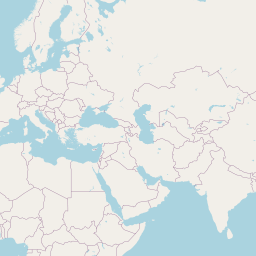




Research & Labs
Superwood development & innovation
Advanced wood composites & densification
Cellulose engineering & nanowood
Wood material science & sustainability
Advanced wood processing & applications
High-performance wood materials
Manufacturing
5,000 units/year
3,500 units/year
2,800 units/year
8,000 units/year
4,200 units/year
Supply & Resources
Premium softwood & hardwood
High-grade timber & cellulose
Fast-growing species & sustainability
Regional distribution & processing
Sustainable bamboo & pulp
Searchable collection of datasheets, compliance certifications, and engineering reports